
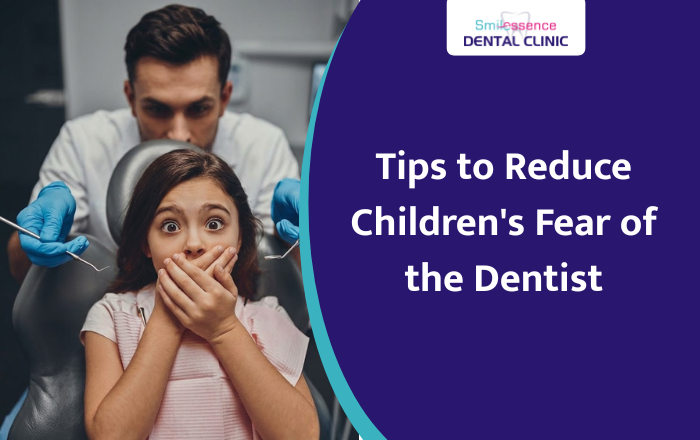
A dental visit can feel unfamiliar or frightening to a child, especially if it is their first appointment. The sounds, instruments, unfamiliar surroundings, or fear of pain may make them anxious. The good news is that parents can take several simple steps to make dental visits more comfortable.
If you are looking for tips to reduce children’s fear of the dentist, start by introducing dental care positively, preparing your child before the appointment, and allowing them to become familiar with the dental environment gradually. Regular visits can also help children see dental care as a normal part of staying healthy.
Why Are Children Afraid of the Dentist?
Children may develop dental anxiety for different reasons. Some common factors include:
- Fear of pain or injections
- Unfamiliar dental instruments and sounds
- Previous uncomfortable dental experiences
- Hearing negative stories from family or friends
- Fear of being separated from a parent
- Not understanding what will happen during the appointment
- Anxiety about a new environment or unfamiliar people
Sometimes, children become worried simply because they do not know what to expect. A calm and age-appropriate explanation can make the experience easier.
Tips to Reduce Children’s Fear of the Dentist
1. Start Dental Visits Early
Taking a child for dental care from an early age can help them become familiar with the dental setting. Early visits also allow dental professionals to identify developing oral health concerns and guide parents about brushing, diet, fluoride and other aspects of dental care.
A child who becomes familiar with dental visits may be less likely to view them as something unusual or frightening.
2. Explain the Visit in Simple Words
Talk to your child about the dentist before the appointment, but keep the explanation simple.
You can say, “The dentist will look at your teeth and help keep them healthy.”
Avoid giving detailed descriptions of procedures that may not even be needed. Children can become more anxious when adults repeatedly talk about pain, needles or uncomfortable experiences.
It is also better to avoid phrases such as “It won’t hurt” because this can unintentionally make a child wonder whether they should expect pain.
3. Let Your Child Ask Questions
Children often feel more comfortable when they understand what is happening. Encourage questions and answer them honestly in language they can understand.
If you do not know the answer, you can tell your child that the dentist will explain it during the visit.
4. Avoid Sharing Negative Dental Experiences
Children can pick up anxiety from the adults around them. Avoid discussing your own unpleasant dental experiences in front of your child.
Similarly, relatives or siblings should avoid telling frightening stories about dentists.
Instead, present dental care as a normal part of maintaining healthy teeth and gums.
5. Read Books or Play Dentist at Home
Pretend play can help children become familiar with the idea of a dental appointment.
You can use a toothbrush and stuffed toy to play dentist. Let your child pretend to examine the toy’s teeth, then allow them to switch roles.
Age-appropriate books about visiting the dentist can also help children understand what a dental appointment may be like.
6. Choose the Right Time for the Appointment
Try to schedule the appointment when your child is generally rested and comfortable.
For some children, an appointment early in the day may work better because they are less tired and have fewer opportunities to become worried about the visit.
If your child has a specific routine that helps them stay calm, maintaining that routine before the appointment may also be helpful.
7. Bring a Familiar Comfort Item
A favourite toy, blanket or other familiar object can help some younger children feel more secure in an unfamiliar environment.
Depending on the child’s age and the dental clinic’s policies, having a parent nearby during the appointment may also provide reassurance.
8. Stay Calm and Positive
Children often notice a parent’s body language and tone of voice. Speak calmly and avoid showing excessive concern before or during the appointment.
After the visit, praise your child for cooperating or trying something new. Focus on their effort rather than promising a reward for tolerating treatment.
For example, saying “You did a good job sitting in the chair” can reinforce positive behaviour.
What If a Child Refuses to Sit in the Dental Chair?
Do not force the child or turn the appointment into a confrontation. A strong negative experience can make future visits more difficult.
Instead, tell the dental team that your child is anxious. Depending on the child’s age, behaviour and dental needs, the dentist may use gradual familiarisation, simple explanations, positive reinforcement or other behaviour guidance approaches.
In some cases, the first visit may mainly involve getting the child comfortable with the surroundings rather than completing extensive treatment.
The appropriate approach depends on the child’s needs and the type of dental care required.
How Can Parents Prepare a Child for the First Dental Visit?
Before the appointment, parents can:
- Explain the visit using simple, positive language.
- Avoid using frightening words or sharing negative experiences.
- Encourage the child to ask questions.
- Read a children’s book or play dentist at home.
- Bring a familiar comfort item if appropriate.
- Arrive with enough time so the child does not feel rushed.
- Inform the dental team about any specific fears or concerns.
The goal is not to promise that every dental visit will be completely comfortable. Instead, children should learn that they can communicate their concerns and receive help from the dental team.
When Should Parents Consult a Dentist?
Children should have regular dental check-ups rather than waiting until they develop tooth pain. Parents should also arrange a dental evaluation if they notice problems such as:
- Persistent toothache
- Tooth sensitivity
- Swelling around the gums or face
- Visible cavities or dark spots on teeth
- Bleeding or swollen gums
- Difficulty chewing
- A dental injury or broken tooth
- Problems with tooth eruption
A child who is extremely fearful of dental care may also benefit from discussing their anxiety with the dental team. The dentist can assess the child’s oral health and determine an appropriate approach for future visits.
How Dentists Can Help With Dental Anxiety in Children
Managing dental fear is not only the parent’s responsibility. Dental professionals can also make appointments easier for children by communicating at an age-appropriate level and allowing the child time to become familiar with the surroundings.
Depending on the situation, a dentist may use approaches such as:
- Tell-show-do, where the child is first told what will happen and shown equipment before it is used
- Positive reinforcement
- Distraction techniques
- Gradual introduction to dental procedures
- Clear communication between the child, parent and dental team
For children with significant anxiety or extensive treatment needs, the dentist may discuss additional behaviour management options. These decisions should be based on the child’s age, health, anxiety level, dental condition and the treatment required.
Frequently Asked Questions
1. How can I make my child less scared of the dentist?
Use simple, positive language, avoid frightening stories, prepare your child through pretend play or books, and let the dental team know about their fears. Staying calm yourself can also help.
2. What age should a child first visit the dentist?
The American Academy of Pediatric Dentistry recommends that a child’s first dental visit should occur by 12 months of age or when the first tooth appears. Early visits help parents receive guidance about oral hygiene and allow dental professionals to monitor developing teeth.
3. Should I tell my child that the dentist will not hurt?
Avoid making promises about pain. Instead, explain that the dentist will check their teeth and that they can tell the dentist if they feel worried or uncomfortable.
Have questions? We’re just a message away! Contact us on WhatsApp — Click Here to Chat with Us
Worried About Your Child’s Dental Fear? Talk to a Dentist
Helping a child feel comfortable at the dentist usually starts before they enter the clinic. Simple preparation, positive communication, early dental visits and a calm approach can make dental appointments less intimidating.
If you are looking for tips to reduce children’s fear of the dentist, remember that every child responds differently. Some may become comfortable quickly, while others need several visits to build confidence. Patience and communication between parents and the dental team can make a meaningful difference.
If your child is anxious about dental visits or needs an oral health check, consulting a qualified dentist can help determine the appropriate approach based on their age, dental needs and comfort level. Dr. Kunal Bonde, MDS, provides dental consultation at Smilessence Dental Clinic in Wagholi, Pune, where parents can discuss their child’s dental concerns and ways to make future dental visits more comfortable.